
Pumping Rights at Work in DC, Virginia, and Maryland: What Breastfeeding Parents Need to Know

Going back to work while breastfeeding can bring up a lot of questions.
How often can I pump?
Does my employer have to give me a private space?
Can they really tell me to use a bathroom?
What if I need more flexibility than a standard break?
At Milk in Motion, we know this season can feel like a lot. You are managing your supply, your comfort, your baby’s feeding needs, and your work responsibilities all at once. The last thing you need is confusion about your pumping rights at work.
The good news is that many parents do have legal protections. The tricky part is that the rules are not exactly the same in DC, Virginia, and Maryland.
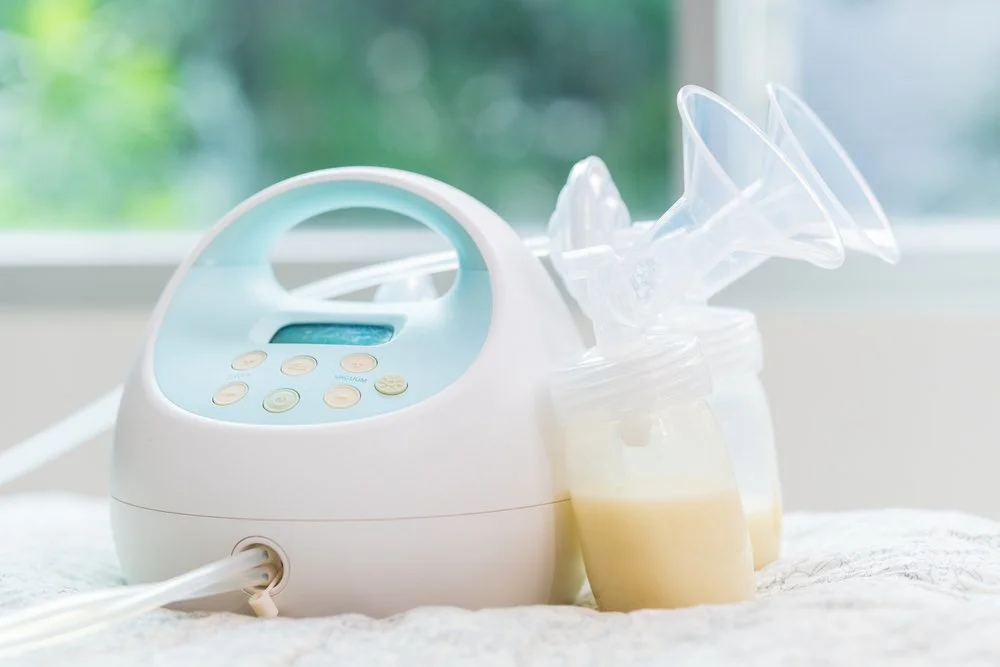
Federal pumping rights at work
For most employees, federal law is the starting point. Under the PUMP Act, employers generally must provide reasonable break time to express milk for up to one year after birth. They also must provide a private space that is not a bathroom and is shielded from view and free from intrusion. If you are pumping during an otherwise paid break, or if you are not fully relieved from duty while pumping, that time may need to be paid.
Another important federal protection is the Pregnant Workers Fairness Act, or PWFA. It applies to covered employers with 15 or more employees and can require reasonable accommodations for limitations related to pregnancy, childbirth, or related medical conditions. The EEOC specifically includes lactation in that category, and examples of accommodations can include extra breaks, schedule changes, telework, or other practical adjustments that help a parent keep working.
Pumping rights in Washington, DC
DC gives breastfeeding and pumping parents strong local protection. DC guidance says employers must make reasonable efforts to provide reasonable daily unpaid breaks for expressing milk and a sanitary space, other than a bathroom or toilet stall, where an employee can pump privately and securely. DC’s pregnancy accommodation law also covers breastfeeding, and DC treats breastfeeding discrimination as a form of sex discrimination.
That matters in real life. It means a parent in DC is not just relying on the federal floor. Local law also recognizes that pumping at work is something employers are expected to accommodate, not something a parent should have to hide, skip, or work around in silence.
Pumping rights in Virginia
Virginia law is especially clear. The statute says reasonable accommodation includes breaks to express breast milk and access to a private location other than a bathroom for expressing milk. It also states that related medical conditions include lactation. In other words, Virginia law expressly says that pumping support belongs in the workplace accommodation conversation.
For many families, that clarity matters. When the law specifically names pumping breaks and a private pumping space, it is easier to make the request and easier for an employer to understand what is required.
Pumping rights in Maryland
Maryland is a little more nuanced. For many private-sector employees in Maryland, federal law is still the clearest source of workplace pumping protection. Maryland’s current accommodation statute requires employers to explore possible accommodations for disabilities caused or contributed to by pregnancy, including changes to duties, hours, workspace, aids, transfer, or leave, but the current text is not as explicit about lactation as Virginia’s law is.
Maryland state employees do have a more specific state-law protection. State guidance explains that the State must provide reasonable break time to express breast milk and, on notice, a private place other than a bathroom that is shielded from view and free from coworkers and the public.
What to ask for when you return to work
If you are heading back to work and still pumping, you are allowed to ask for what is actually workable.
That usually starts with break time when you need to pump and a private space that is not a bathroom. In many situations, a parent may also need a setup that is genuinely usable, such as privacy, a chair, a flat surface, and access to power if their pump requires it. DC guidance also specifically discusses basics like lighting, ventilation, and an outlet if needed.
Most importantly, you do not need to treat this like you are asking for a favor. You are asking for support that helps you feed your baby and protect your health.

Quick FAQ about pumping rights at work
Does my employer have to let me pump at work?
In many cases, yes. Federal law generally requires covered employers to provide reasonable break time and a private non-bathroom space for pumping for up to one year after birth.
Can my employer make me pump in a bathroom?
No. The federal rule requires a place other than a bathroom, and DC, Virginia, and Maryland state-employee protections also use that same basic standard.
Do pump breaks have to be paid?
Not always. Under federal law, pumping time must be paid if the employee is not fully relieved from duty. If the employee pumps during an otherwise paid break, they must be paid the same way other employees are paid for break time. DC guidance also says additional pumping breaks do not have to be paid, even though the employer must provide reasonable daily breaks.
Is Maryland the same as DC or Virginia?
Not exactly. For many private-sector workers in Maryland, federal law is the clearest source of pumping protection. Virginia’s statute is more explicit about lactation and pumping breaks, and DC also has strong local breastfeeding and accommodation protections.
Looking for additional support?
If you need additional help understanding your workplace rights during pregnancy, breastfeeding, or caregiving, First Shift Justice Project is a nonprofit resource that offers information and legal support to help workers protect their jobs and care for their families.

Final thoughts
Returning to work while breastfeeding can feel vulnerable. You are trying to keep up your milk supply, stay comfortable, and make it through the day without feeling rushed or unsupported.
You deserve better than a bathroom stall and crossed fingers.
If you are navigating pumping after maternity leave and trying to make a plan that works for your body, your baby, and your workday, Milk in Motion is here to help. Support can make all the difference.