
How to Maintain Your Milk Supply While Exclusively Pumping
Exclusive pumping is a lot of work. You are pumping the milk, storing it, washing parts, feeding your baby—and then doing it all over again.
So if you are wondering how to protect your milk supply without feeling like you are attached to your pump all day, you are definitely not alone.
The good news is that maintaining milk supply usually does not require complicated tricks or maximum pump settings. It comes back to a few basics: removing milk often enough, removing it effectively, and finding a pumping routine that works for your body and your life.

Start with frequent milk removal
Milk production works largely on supply and demand. The more consistently milk is removed, the more your body receives the message to keep making it.
This is especially important in the early weeks, when your milk supply is still being established. If you are exclusively pumping for a newborn, that often means pumping about as frequently as your baby would normally feed—sometimes around 8–12 times in 24 hours.
But that does not mean you need to pump eight times a day forever.
As your supply becomes established, you may be able to gradually space out sessions while maintaining the amount of milk your baby needs. Some parents can comfortably drop pumps without seeing much change. Others are more sensitive to longer stretches between milk removals.
There is no single perfect pumping schedule. The goal is to find the frequency your body needs to maintain your supply.
Be thoughtful about dropping pumping sessions
It can be tempting to drop sessions quickly—especially if you have a strong supply early on.
But those first weeks and months matter. As your milk supply begins to regulate, production becomes increasingly responsive to how frequently and effectively milk is being removed.
You may also notice that your breasts feel softer, you leak less, or pumping feels different than it did in the beginning. That does not automatically mean your supply is dropping.
If you want to decrease your number of pumps, try making one change at a time and watch your total milk production over several days. That gives your body time to adjust and gives you a much clearer picture of whether the new schedule is working.
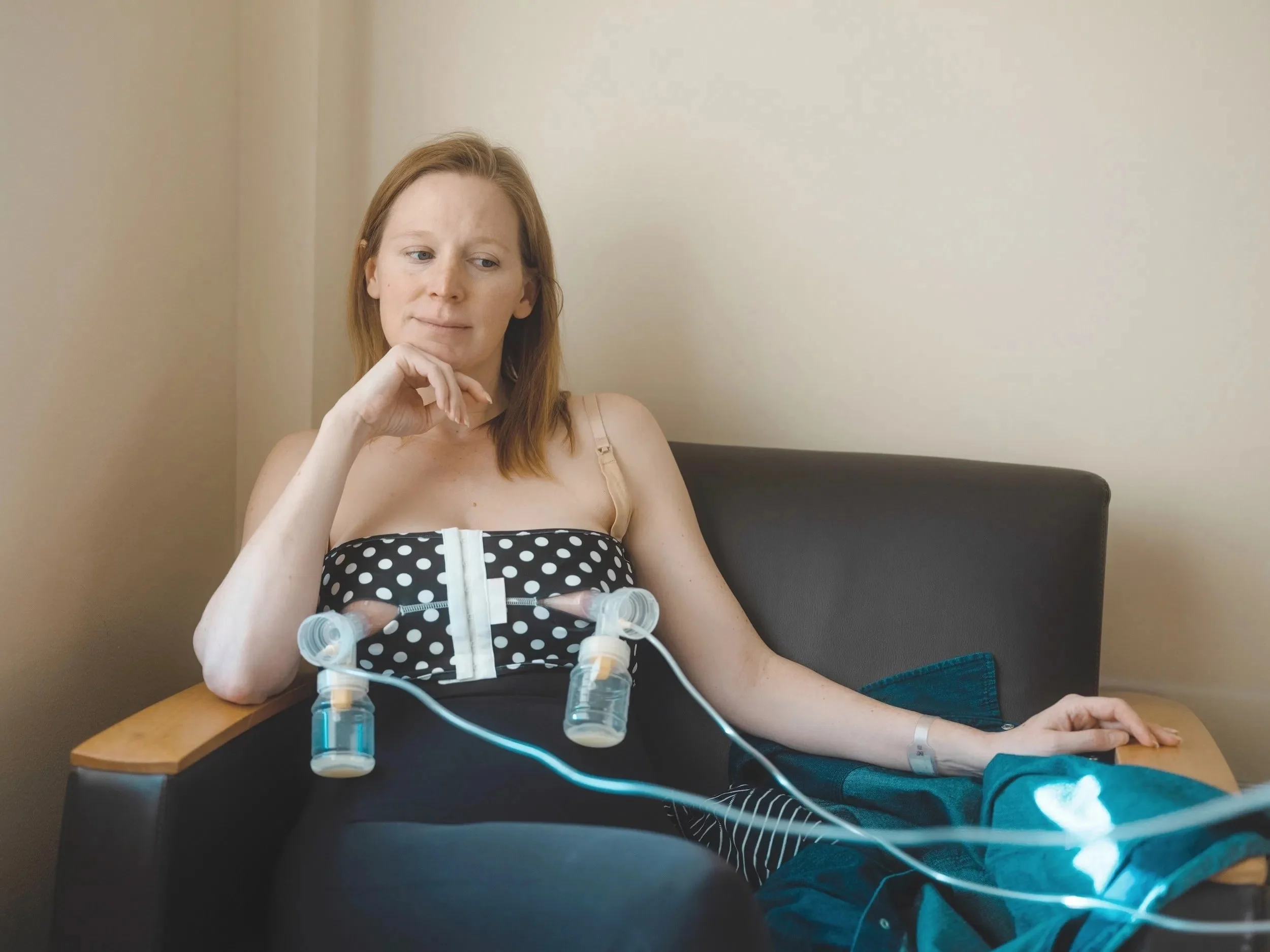
Make sure your pump is removing milk effectively
Pumping more often only helps if those sessions are actually productive.
You do not need to pump for an exact number of minutes or stay attached to the pump long after your milk has stopped flowing. Instead, pay attention to your body. You may notice your milk speeding up and slowing down several times during a session as you experience multiple letdowns.
Gentle breast massage or compression can sometimes help with milk removal.
If pumping regularly takes a very long time, your breasts still feel full afterward, or your output has changed significantly, take a closer look at your setup before assuming you simply need to pump longer.
Your pump, flange fit, pump parts, settings, and pumping technique can all make a difference.
Check your flange fit
A well-fitting flange should allow your nipple to move comfortably through the tunnel without excessive rubbing, swelling, or large amounts of breast tissue being pulled inside.
And remember: flange size is based on your nipple size—not your breast size.
Flange fit can also change over time. What worked during the first few weeks postpartum may not be the best fit several months later.
Pumping should not hurt. If it does, that is worth troubleshooting.
More suction does not mean more milk
You do not need to turn your pump all the way up to get a good pumping session.
In fact, too much suction can cause discomfort, swelling, or nipple trauma—and may actually make it harder for your milk to flow.
The right settings are simply the ones that help trigger your letdowns and remove milk comfortably and effectively. Every body responds differently, so give yourself permission to experiment rather than assuming there is one "correct" setting.
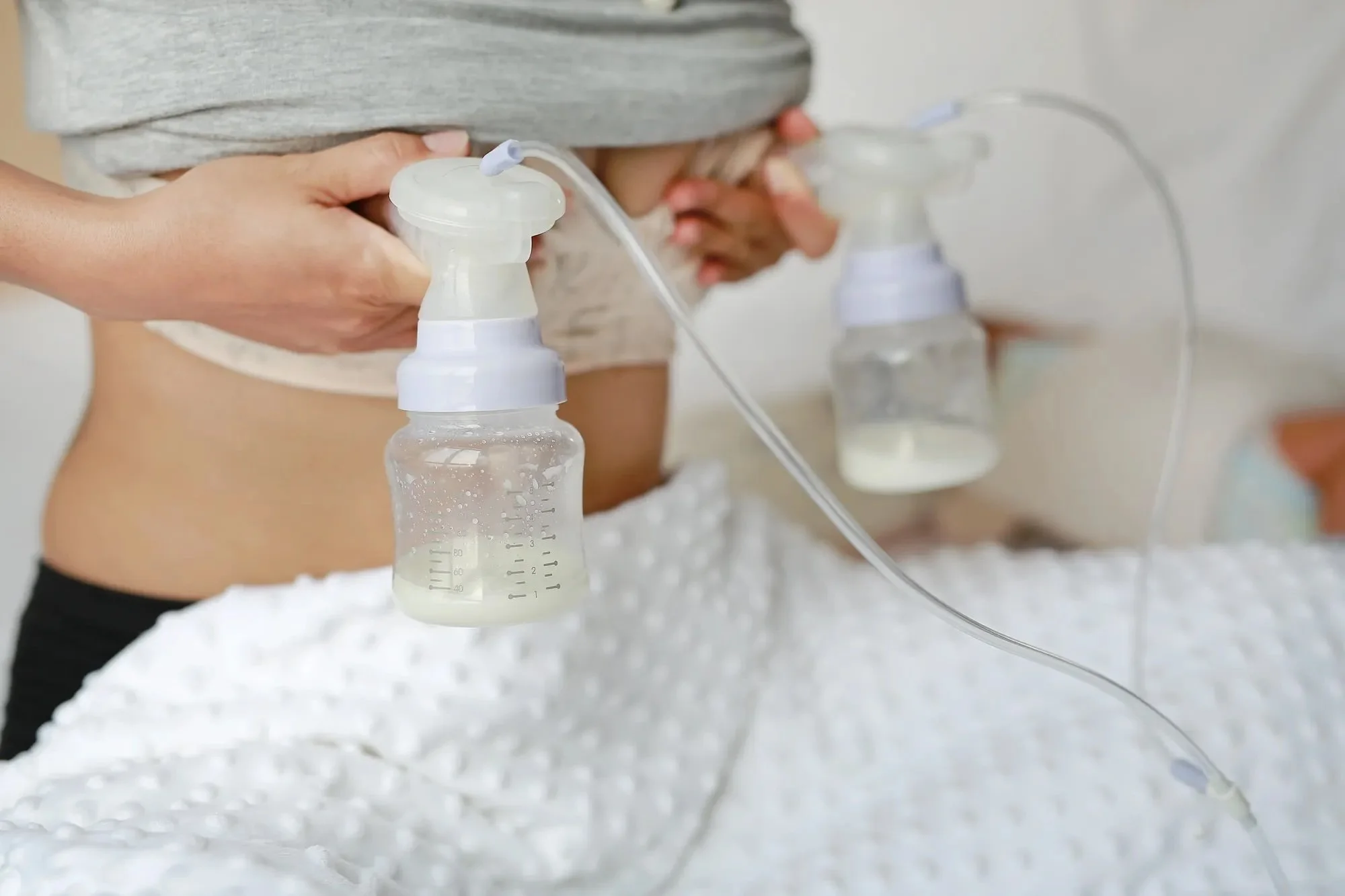
Use a pump that works well for your body
Wearable pumps can make life so much easier. Being able to pump while getting ready for work, making breakfast, or caring for another child can be a game changer.
But especially when you are exclusively pumping, it is important to know whether your pump is consistently removing milk well.
If your wearable empties your breasts comfortably and your supply is steady, wonderful. If you consistently remove less milk with it or still feel full afterward, you may benefit from using a more effective primary pump for some of your sessions and saving the wearable for times when convenience matters most.
The best pump is not necessarily the newest or most expensive one. It is the one your body responds to well.
Look at your overall pattern—not one pump
A disappointing pumping session can be frustrating, but one low-output session does not mean your supply is suddenly disappearing.
Milk output naturally varies throughout the day. Your output can also change because of your pump setup, worn parts, timing, stress, your menstrual cycle, illness, medications, or simply a longer or shorter stretch since your last pump.
Instead of focusing on one session, look at your total production over 24 hours and what is happening over several days.
That trend tells us much more.
And try not to compare your output to someone else's. The goal is not to fill a freezer or reach an arbitrary number of ounces. The goal is to support your baby, your body, and your feeding goals.
Make your pumping routine sustainable
There may be a technically "ideal" pumping schedule on paper. But if that schedule leaves you exhausted and miserable, it probably is not ideal for you.
Once your supply is established, there are often ways to make pumping more manageable—adjusting the timing of sessions, gradually testing a longer stretch overnight, strategically using a portable pump, or figuring out how many daily sessions your body needs to maintain your supply.
This is where individualized lactation support can be especially helpful.
A lactation consultant who understands pumping can look at the whole picture: your schedule, output, pump, flange fit, comfort, goals, and baby's needs. The answer should not always be simply, "Pump more."
Sometimes a small adjustment makes a big difference.
The bottom line
If you are exclusively pumping, focus on the fundamentals:
Remove milk frequently enough for your body and stage of lactation.
Make sure your pumping sessions are removing milk effectively.
Use comfortable pump settings and properly fitting flanges.
Watch your overall daily production rather than one pumping session.
Make changes gradually.
Reach out for support when something does not feel right.
Exclusive pumping is a huge commitment. Your pumping plan should help protect your milk supply and leave room for you to live your life.
At Milk in Motion, we can help you troubleshoot your pump, flange fit, milk supply, and pumping schedule so you can find an approach that works for you and your baby.