The Milk in Motion Booking Guide: Choose the Right Visit in Minutes
If you’ve ever stared at an online booking page thinking, “Wait… which one do I need?” you’re not alone. Feeding and postpartum support isn’t one-size-fits-all—because families aren’t.
Milk in Motion offers several visit types so you can book the support that actually matches your goal (and your season). Here’s a simple breakdown of what each appointment is for, what happens during the visit, and how to choose.

COMPASSIONATE CARE, TAILORED TO YOU
We’re proud to offer a full spectrum of care, by supporting breastfeeding, pumping, and bottle feeding families.
Quick guide to booking:
Baby is here and feeding feels painful, stressful, confusing, or you want a full check-in (nursing + bottles + supply + “big picture”): book a Lactation Support
Your main focus is bottle feeding (breastmilk, formula, or combo feeding) and you want help with paced feeding, flow/nipple selection, bottle refusal, supplementing, or smoother transitions: book Bottle Feeding Support (in-office or virtual)
Pumping is your main focus (exclusive pumping, returning to work, output/comfort issues, routine): book Pump Support
You want hands-on help learning babywearing safely and comfortably (bring your carrier(s) or try options): book a Babywearing Consult/Support
You’re pregnant and want a calm, customized feeding plan before baby arrives: book Prenatal Support
1. Lactation Support Visit (your “big picture” feeding appointment)
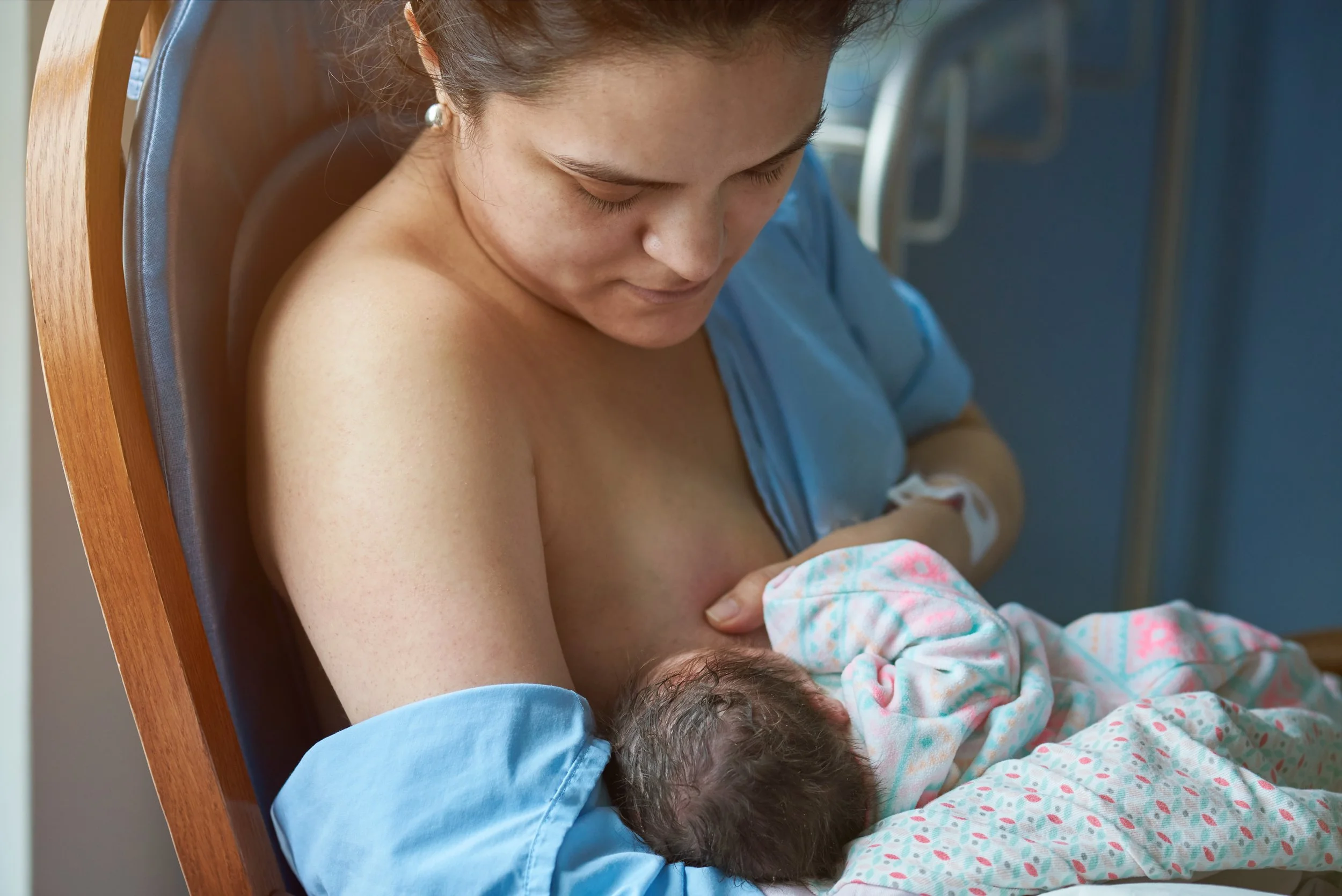
A Lactation Support visit is the best choice when you want a full feeding assessment—whether you’re breastfeeding, pumping, combo feeding, or figuring out what’s even happening. Milk in Motion supports concerns like latch and positioning, nipple pain, milk supply, oral ties, weight gain concerns, bottle refusal, returning to work, mastitis/plugged ducts, and more.
What it’s like: visits are typically about an hour and include a full feeding assessment, a tailored care plan, and follow-up documentation so you don’t have to remember everything. Partners/support people are welcome. Visits may be in-office, in-home (select areas), or virtual.
Book a Lactation Support visit if you want:
A full feeding check (not just pump troubleshooting)
Help with pain, latch, supply, or baby’s feeding mechanics
Support with combo feeding, nursing-to-bottle transitions, or returning to work
2. Bottle Feeding Support (formula, combo feeding, and bottle troubleshooting)
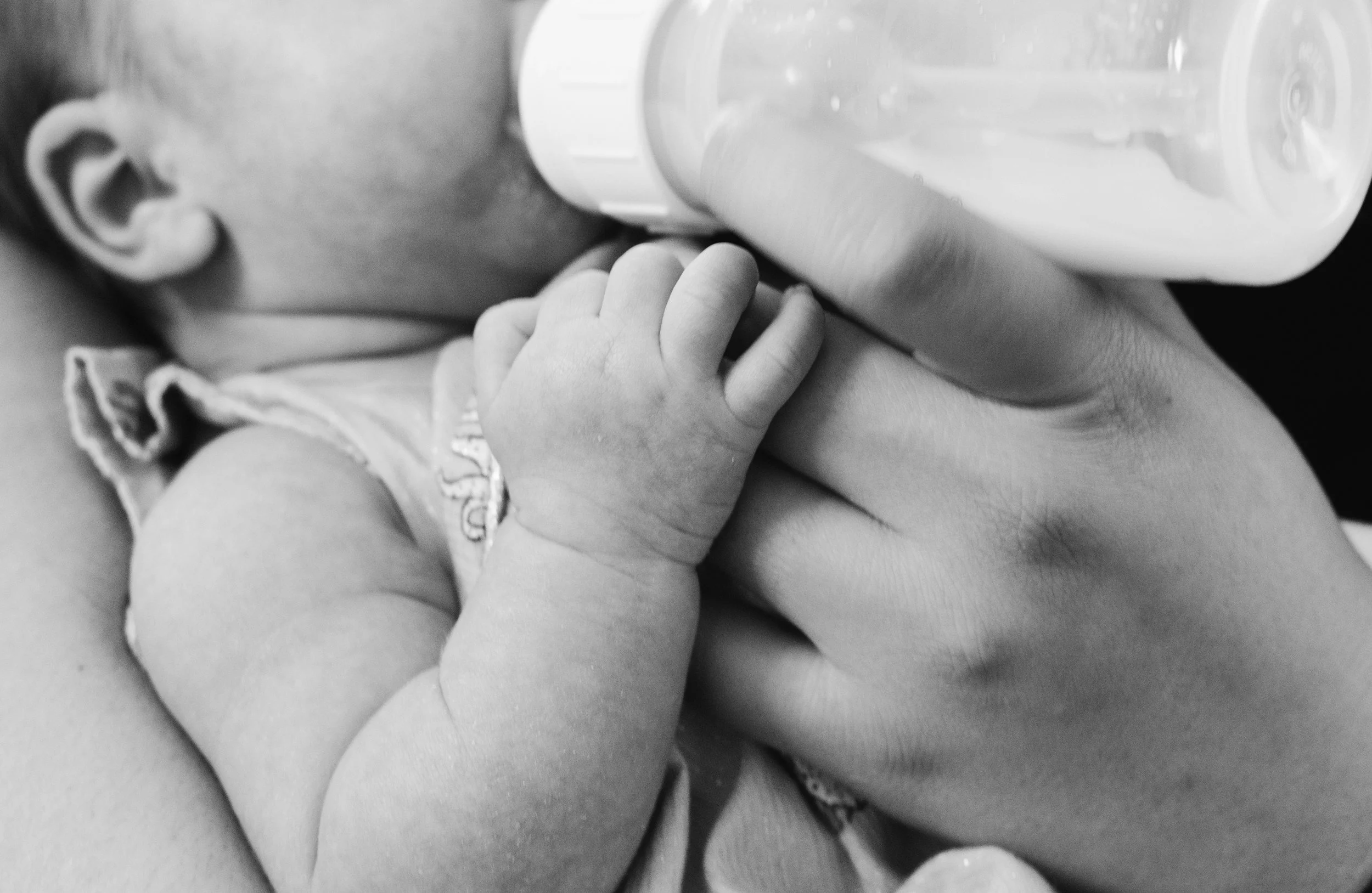
If bottles are part of your feeding plan—full-time, part-time, or you’re just trying to introduce them—Milk in Motion offers a dedicated Bottle Feeding Support visit. This appointment focuses on bottle technique, pacing, flow preference, and bottle refusal, with strategies tailored to your baby and your goals.
It’s also a great option if you’re transitioning from nursing, returning to work, supplementing, or exclusively bottle feeding and want a calmer, more confident routine. Please note, if the parent is not currently lactating, insurance cannot be used for this visit.
3. Pump Support (three options depending on what you need)
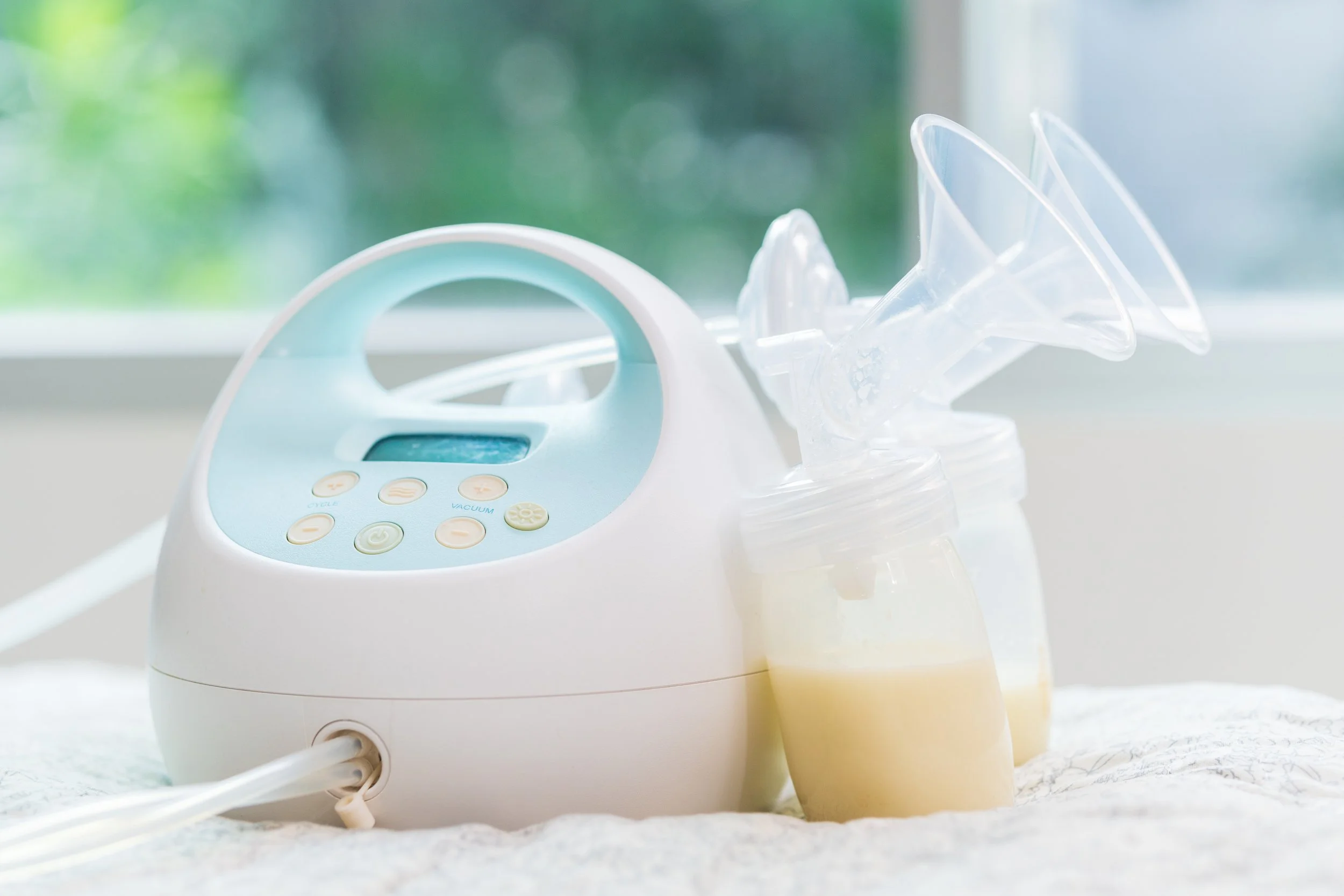
Pump Support is for families who are exclusively pumping, pumping + nursing, or preparing to begin pumping. These visits focus on routine, flange fit, comfort, and efficiency—so pumping feels less like guesswork.
Baby is welcome, but these visits don’t include a latch assessment or weighted feed—so baby isn’t required. If baby needs care during the appointment, it may reduce the time available for pumping support.
1) Pump Bar (try-before-you-buy + hands-on fitting)
The Pump Bar is Milk in Motion’s signature, in-person pump fitting experience. You can try, touch, and learn from 25+ pump models, get measured for the correct flange size, and test pumps that match your lifestyle (wearable, plug-in, portable, etc.). Please note that this visit includes a $45 cleaning fee that is not covered by insurance.
This is ideal if:
You’re not sure what pump to choose
Your insurance pump isn’t working and you don’t want to “randomly select another”
You want confidence before returning to work or switching pumps
2) BYOP (Bring Your Own Pump) visit
BYOP is perfect when you already have a pump and want it to work better for your body and routine. During Pump Support visits, Milk in Motion reviews your goals and routine, assesses your pump + flange fit, and helps optimize output, comfort, and efficiency—especially helpful for returning to work, managing low supply/oversupply, or pumping while nursing.
BYOP can be booked in-office or virtually, and if you’re currently pumping, Milk in Motion asks that you bring your pump and all necessary parts so your consultant can observe a session.
3) Flange Fitting
If your biggest question is “What size do I actually need?” a dedicated Flange Fitting appointment may be the simplest, most targeted option.
4. Babywearing Support
If you want to feel confident wearing your baby safely and comfortably, book Babywearing Support. In these hands-on consults, you’ll cover safety basics, positioning, and comfort for both you and baby—and you can access a library of wraps, slings, and structured carriers, or bring your own.
Milk in Motion also offers a babywearing consult option led by a certified babywearing educator, with time to try different styles, learn proper use, and get individualized fit support.
Tip: If you have multiple carriers, expect to focus on about 2–3 per visit so you actually leave feeling confident.

5. Prenatal Support (feeding prep before baby arrives)
A Prenatal Support visit is for expectant parents who want a calm, clear plan before the early newborn haze hits. Milk in Motion covers what to expect in the first days, how to establish milk supply, latch/positioning basics, feeding cues, and common challenges—plus space to talk through your personal goals, medical history, or past feeding experiences.
Prenatal visits are especially encouraged if you’ve had breast/chest surgery, have concerns about nipple anatomy, previously struggled feeding an older child, or have hormonal conditions that may affect lactation (like PCOS, thyroid issues, infertility, etc.).